What Is Rochester’s Vision Zero Initiative?
By Ross Cellino
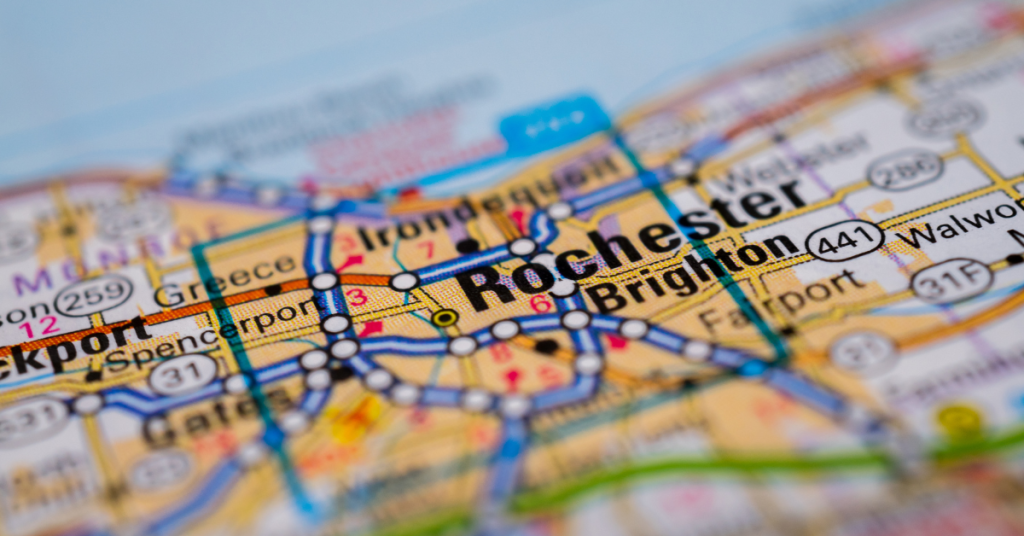
Rochester’s Vision Zero initiative is a citywide traffic safety plan with one main goal: to prevent traffic deaths and serious injuries on local roads. The plan is based on the idea that many serious crashes can be prevented.
Vision Zero focuses on safer street design, lower speeds, public education, enforcement, and community input. The goal is to reduce the risk of Rochester car accidents and make roads safer for everyone, including drivers, passengers, pedestrians, bicyclists, bus riders, and people using mobility devices.
If you or a loved one suffered injuries in a Rochester traffic crash, the attorneys at Cellino Law are here to explain your options and help you understand your next steps. You can review your options by scheduling a free consultation online or by phone at 888-888-8888.
Key Takeaways About Rochester’s Vision Zero Initiative
- Rochester launched its Vision Zero initiative in 2024 to help reduce and eventually eliminate preventable traffic deaths and serious injuries.
- The Vision Zero Project focuses on safer roads, lower speeds, pedestrian safety, bike safety, public education, enforcement, and crash data.
- Rochester’s first annual Vision Zero report showed progress during the first year, including a new task force, safety investments, and grant funding.
- The city plans to keep working on safer crossings, bike lanes, traffic calming, crash data, and possible speed limit changes.
- Vision Zero may help reduce crashes over time, but people injured in serious crashes may still need legal guidance.
What Is Vision Zero?
Vision Zero is a globally recognized traffic safety plan based on the belief that traffic deaths and severe injuries are preventable. Instead of treating serious crashes as unavoidable, Vision Zero looks at how roads, vehicles, drivers, and public policies can work together to make streets safer.
This is important because many serious crashes are connected to problems that can be fixed or improved, such as:
- Speeding
- Dangerous intersections
- Poor visibility at crosswalks
- Unsafe turns
- Distracted driving
- Limited bike or pedestrian paths
Vision Zero does not rely on one single solution. Instead, it uses several safety efforts to help make roads safer.
Why Did Rochester Launch a Vision Zero Project?
Rochester became a Vision Zero city in June 2024 in response to serious traffic safety concerns. According to the city’s first annual ROC Vision Zero Report announcement, Rochester has the highest rate of fatal crashes among mid-size cities in upstate New York. The city also noted that the most severe crashes often happen in areas where many rely on walking, biking, or public transportation.
This means traffic safety is not only about road design. It is also about protecting people who may face greater risks on the road. People who do not drive, or depend on other methods of transportation, may be more exposed to unsafe traffic conditions.
What Does Rochester’s Vision Zero Initiative Include?
Rochester’s Vision Zero initiative includes a 10-point action plan. These actions focus on safer street design, education, enforcement, public input, and better crash data. Some of the main parts of the plan include:
ROC Vision Zero Task Force
The city created a task force made up of city departments, partner agencies, and community members. This group helps guide street safety plans, traffic safety policies, and funding opportunities.
Traffic Safety Education
Rochester plans to use public education campaigns to help prevent dangerous driving behaviors. These campaigns may focus on speeding, distracted driving, crosswalk safety, and sharing the road.
Safe Speed City Initiative
Rochester has been working toward possibly implementing a 25 mph citywide speed limit. Lower speeds can help reduce the risk of crashes that cause serious injuries or fatalities. When drivers travel at slower speeds, they have more time to react. Crashes at lower speeds also tend to happen with less force.
Pedestrian Priority Zones
The city plans to work with county and state partners to improve pedestrian safety in key areas. This may include traffic calming, creating safer intersections, and implementing smarter street designs in places where many people walk.
Safe Crossings
Rochester’s Safe Crossings City Initiative focuses on making crosswalks safer and easier to use. This includes crosswalks near intersections, bus stops, and side streets. The city has also discussed using safety tools such as:
- Raised crosswalks
- Tabled intersections
- Mid-block crossings
- Better spacing between crosswalks
Together, these improvements can help make crossings more visible, give pedestrians safer places to cross, and reduce the risk of serious crashes in busy areas of Rochester.
Bicycle Network Improvements
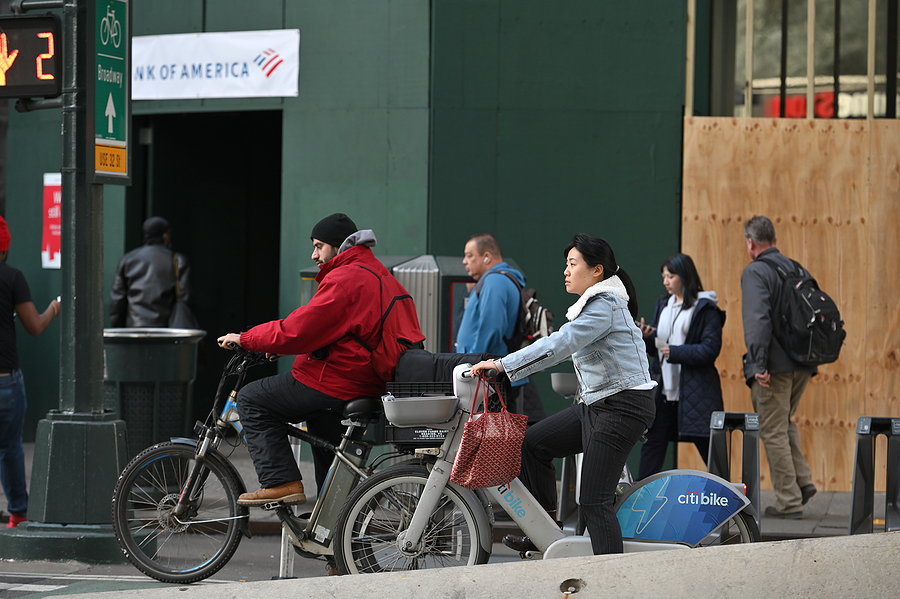
The plan includes continued work on a 63-mile bicycle spine network. The goal is to make biking safer and more useful across the city. By creating more connected bike routes, Rochester can help bicyclists travel with more confidence and reduce conflicts between bikes and vehicles.
Winter Safe Streets
Winter weather can create serious safety issues in Rochester. Snow and ice can make sidewalks, bus stops, bike lanes, and crosswalks more difficult to use. Vision Zero includes efforts to increase the frequency of snow removal to help keep these areas safer and more accessible during the winter months.
Automated Traffic Enforcement Review
Rochester has looked into implementing automated traffic enforcement as part of Vision Zero. In 2026, the city held public input meetings to gather feedback on the potential use of automated enforcement. This includes the use of tools that may help address speeding or red-light violations.
High-Injury Network Focus
The city has identified Lake Avenue as one focus area for safety planning. Rochester also plans to review other roads where severe crashes or traffic deaths happen more often.
Public Reporting and Data
The city plans to track Vision Zero progress through reports and data systems. Better crash data can help officials understand where serious crashes occur and what changes may be needed.
What Progress Has Rochester Made So Far?
In January 2026, Rochester released its first annual ROC Vision Zero Report. The city said the first year of the initiative included the creation of the ROC Vision Zero Task Force, safety investments in all four city quadrants, and $33.4 million in grant funding for future street safety improvements. The city also reported progress on several other efforts, including:
- A school bus stop-arm camera program
- Research into automated traffic enforcement
- Research into lowering speed limits
- Lake Avenue Bus Rapid Transit and safety planning
- New data systems to track and publicly report severe crashes
For 2026, Rochester’s planned Vision Zero work includes a public traffic safety data dashboard, increased community engagement, pedestrian safety outreach near schools and other busy areas, continued street safety upgrades, and design work for protected bike lane demonstration projects.
Why Vision Zero Matters For Rochester Accidents
Rochester’s Vision Zero initiative is an important step toward safer streets. By focusing on traffic deaths, serious injuries, road design, vehicle speed, public education, and crash data, the city is working toward a future with fewer preventable crashes.
Still, Vision Zero cannot undo the harm done after a serious accident has already happened. A Rochester serious injury can lead to medical bills, missed work, pain, and stress about what comes next.
If you were injured in a Rochester car accident, Cellino Law can help you understand your rights and what legal options may be available. Schedule a free case evaluation online or call Cellino Law at 888-888-8888 to speak with a member of our team.
Content checked by the personal injury attorney Ross Cellino
Ross Cellino
As a family man and a trial attorney, I pride myself on winning cases and serving the community. With over 35 years of experience, I understand the function of a jury, how juries arrive at conclusions, and the role that the jury plays in administering justice. I know how to win cases. You can find us in Manhattan, Buffalo, Melville, Rochester, Brooklyn, The Bronx, Queens, and other locations throughout New York, New Jersey, and Connecticut.