


 February 20, 2026
|
February 20, 2026
| 
New York Governor Kathy Hochul recently announced proposals supposedly aimed at lowering auto insurance costs. She claims the focus of her proposed auto insurance changes is on reducing fraud. However, if her proposals are passed, it will only increase the profits of the already profitable insurance industry. The governor’s suggested changes would limit injured victims’ ability to be fully compensated.
Adding another layer of interest, weeks after the proposal was announced, ride-sharing giant Uber donated nearly $3 million to an independent committee supporting Hochul’s reelection. While the contribution is framed as political support, Uber’s priority appears to be pushing through the governor’s auto insurance plan, which would cap certain payouts from car accidents.
Governor Hochul contends that insurance premiums will go down. But in reality, any state that has active similar laws has not seen a reduction in premiums.
As personal injury attorneys who focus on automobile accidents, we look at this from one perspective: how would these changes impact injured people?
Key Takeaways on Governor Hochul’s Proposed Auto Insurance Changes
- Proposed auto insurance changes could limit access to pain and suffering damages, especially for those found mostly at fault.
- A stricter serious injury threshold may leave some injured victims relying solely on no-fault benefits.
- Joint and several liability reforms could make it harder to recover full compensation in multi-vehicle accidents.
Possible Changes to Comparative Fault
New York State currently follows a comparative negligence system, meaning you can recover compensation for your injuries even if you were partly at fault for the crash. As it stands now, your reward is reduced by your percentage of fault, but you are not barred from recovery.
Under Hochul’s proposal, if you are found to be “mostly at fault”, your ability to recover non-economic damages, such as pain and suffering, could be significantly limited.
Fault in auto-accidents is rarely clear-cut. Insurance companies often argue that the injured driver shares a larger portion of responsibility than they may actually hold. If crossing the 50% mark limits recovery, expect fault arguments to become even more aggressive.
For injured individuals, this could mean lower settlement offers and more disputes over liability.
Tightening The Serious Injury Threshold
New York’s current no-fault system requires injured individuals to meet what’s known as the “serious injury threshold” before pursuing pain and suffering damages beyond no-fault coverage.
The proposed auto insurance changes would eliminate categories of injuries, resulting in less compensation for those injured in motor vehicle crashes.
If a person does not meet the proposed serious injury threshold requirements, they may be limited to no-fault benefits only. Once those benefits are exhausted, additional treatment costs could fall on the injured person’s health insurance, or even out of pocket.
Changes to Joint and Several Liability
The proposal would change how New York applies joint and several liability. Right now, a defendant can sometimes be required to pay the full judgment even if they are only partially at fault.
Under the proposed changes, a defendant found less than 50% at fault would only be responsible for their share. In multi-car accidents, this could make it harder for injured individuals to recover full compensation, especially if other at-fault drivers have limited insurance.
Expanded Fraud Enforcement
The governor’s plan includes stronger efforts to combat staged accidents and insurance fraud.
Fraud prevention is necessary. However, increased enforcement can also lead to heightened scrutiny of legitimate claims. Insurers may require more documentation, conduct deeper investigations, and take a firmer position in negotiations.
For someone who is truly injured, that can mean a longer and more challenging claims process.
What Governor Hochul’s Proposed Auto Insurance Changes Mean For Car Accident Injury Victims
While these proposals are not yet law, there can be a serious ripple effect for those who have legitimate injury claims, including:
- Limiting the access to pain and suffering damages in certain cases
- Increased disputes over fault percentages
- Making it more difficult for injury victims to meet the serious injury threshold
- Reduction in recovery options for victims of a multi-vehicle or multi-defendant accident
Car accident claims can already be complex, and the proposed legislative changes can likely shift how these are evaluated, negotiated, and litigated. As a result, some claims could face greater scrutiny and lower settlement values, making strong documentation and experienced legal representation even more important.
If you are injured in a car accident in New York, it’s always important to:
- Seek medical treatment immediately
- Follow through with your treatments
- Take photos, videos, and collect witness information
- Have a copy of the responding officer’s police report
- Consult with an experienced personal injury attorney early
Cellino Law Is Here To Help
As attorneys who handle automobile accident claims across New York, we stay ahead of these legal developments. Our role at Cellino Law is to protect injured individuals and pursue the full compensation the law allows. If New York State insurance laws change, preparation and experience will matter more than ever.
If you were injured in a car accident and have questions about your rights, contact our office for a free consultation. We are here to review your case, explain your options, and help you move forward with confidence.
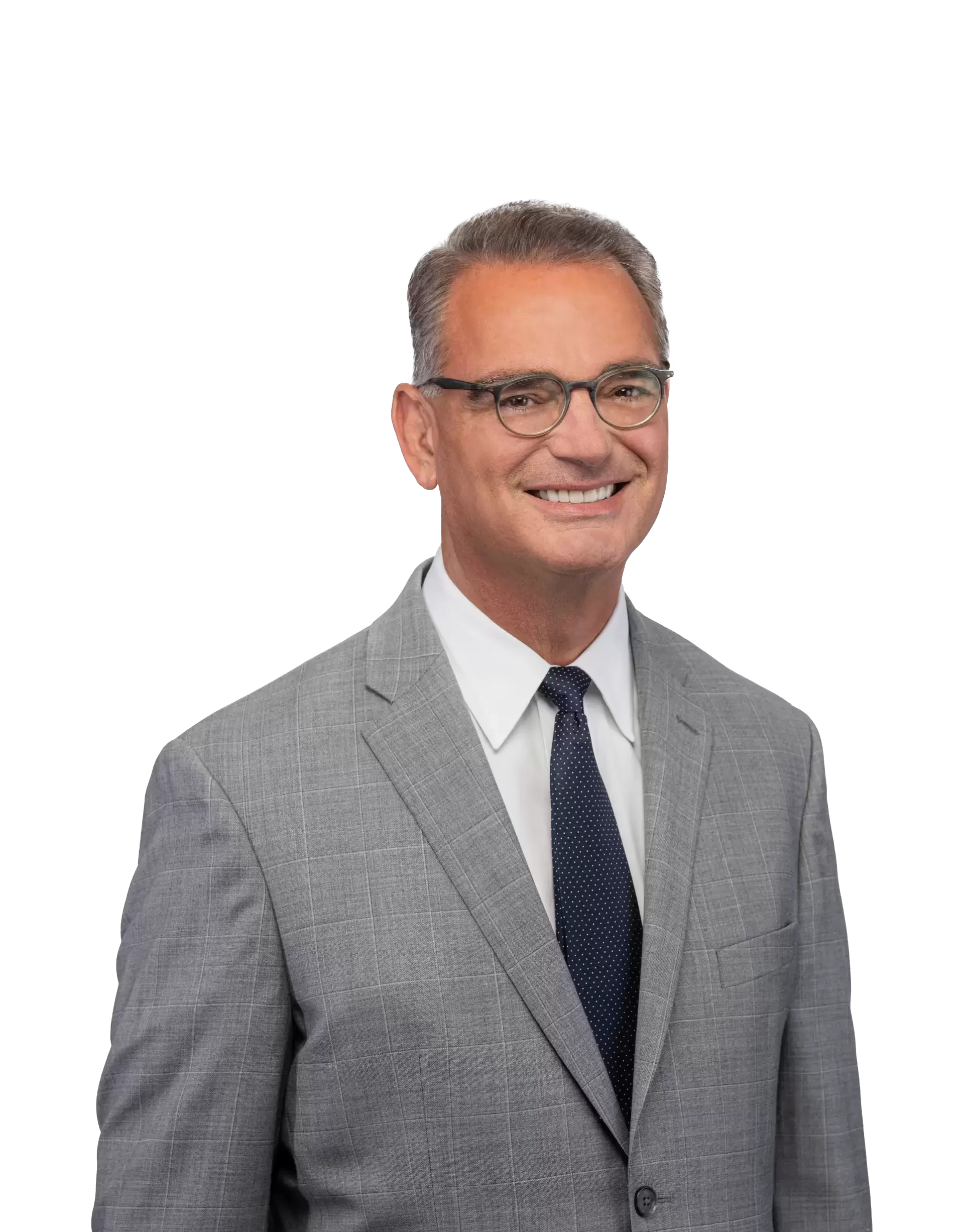
Content checked by the personal injury attorney Ross Cellino. As a family man and a trial attorney, I pride myself on winning cases and serving the community. With over 35 years of experience, I understand the function of a jury, how juries arrive at conclusions, and the role that the jury plays in administering justice. I know how to win cases. You can find us in Manhattan, Buffalo, Melville, Rochester, Brooklyn, The Bronx, Queens and other locations throughout New York.