Do Cyclists Need To Obey Traffic Laws?
Bicyclists often share the road with cars, trucks, buses, and pedestrians, which means everyone has a role in keeping traffic moving safely. Do cyclists need to obey traffic laws? In most cases, yes. Knowing how these laws apply can help cyclists ride more safely and better understand their rights if a crash happens.
At Cellino Law, we help injured bicyclists understand what steps to take after an accident and how traffic laws may affect their claim. Our team can review what happened, answer your questions, and explain your legal options. Schedule a free case evaluation online or contact us at 888-888-8888 to speak with a member of our team.
Key Takeaways About Bicycle Traffic Laws
- Bicyclists must follow many of the same traffic laws as drivers.
- Drivers must also watch for cyclists and share the road safely.
- A cyclist may still have a claim after a crash, even if they’re accused of breaking a traffic law.
- Evidence plays an important role after a bicycle accident.
- Speaking with a personal injury attorney can help protect your rights.
Do Cyclists Have To Follow Traffic Laws?
Bicyclists are generally expected to obey traffic laws when riding on public roads. This usually means cyclists should:
- Stop at red lights and stop signs
- Ride in the same direction as traffic
- Yield when required
- Follow posted signs and lane markings
- Use lights or reflectors
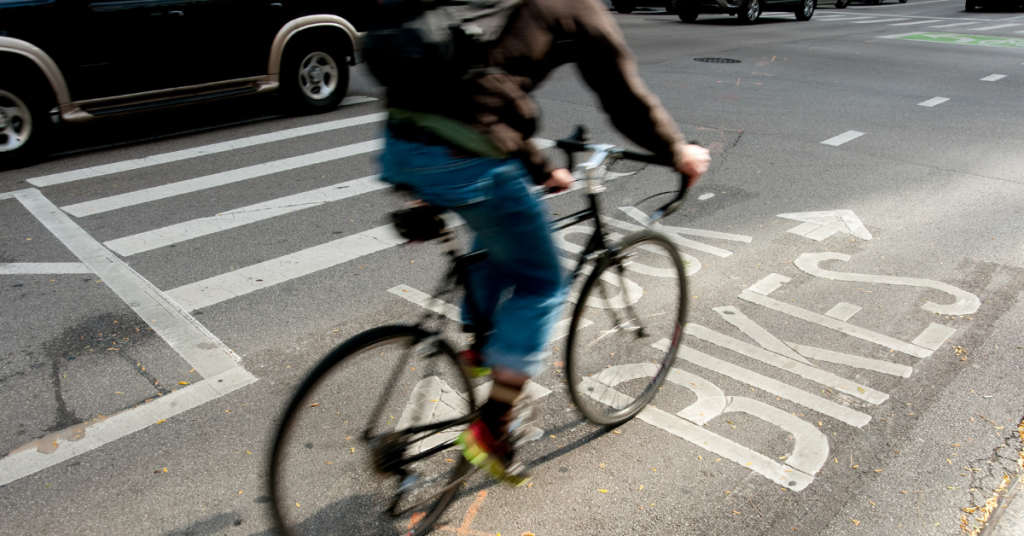
Some traffic rules apply differently to cyclists depending on where they are riding. Cyclists may also have access to bike lanes or other designated areas that are not meant for motor vehicles. Because bicycle laws can vary by state, city, or town, local rules may affect where and how cyclists can ride.
Why Traffic Laws Matter For Cyclists
Traffic laws help make the road more predictable for everyone. When drivers, cyclists, and pedestrians understand what is expected of them, it can lower the risk of serious accidents.
For cyclists, following traffic laws can also matter if a crash leads to an injury claim. If an insurance company tries to blame the cyclist, evidence that the cyclist followed the rules may help support their case. Helpful evidence may include:
- Photos or videos of the crash scene
- Witness statements
- Police report
- Medical records
- Damage to the bike or vehicle
This type of evidence can help show how the accident happened. It may also help explain whether the driver, cyclist, or another party contributed to the crash.
Can A Cyclist Still Have A Claim If They Broke A Traffic Law?
A traffic violation does not automatically prevent an injured cyclist from pursuing a claim. Fault usually depends on the specific facts of the crash and the laws in the state where the accident happened.
In many bicycle accident claims, more than one person may share responsibility. Even if a cyclist made a mistake, a driver may still be responsible if they acted carelessly. For example, a driver may still be responsible if they:
- Failed to yield
- Made an unsafe turn
- Were speeding or distracted
- Opened a car door into the cyclist’s path
Insurance companies may point to an alleged traffic violation to argue that the cyclist caused the crash or should receive less compensation. An attorney can review the facts, the evidence, and how the law may apply before the cyclist accepts blame or the claim is undervalued.
Common Bicycle Accident Causes
Bicycle accidents can happen for many reasons. In many cases, they occur because a driver fails to notice a cyclist or does not give them enough space.
Common causes of bicycle accidents include:
- Drivers failing to yield or check for cyclists
- Unsafe turns or lane changes
- Dooring
- Distracted, speeding, or impaired driving
- Drivers following or passing too closely
Cyclists have very little protection in a crash. Even at lower speeds, a collision can lead to serious injuries that may require medical care, time away from work, and ongoing support during recovery.
Common Bicycle Accident Injuries
A bicycle crash can lead to injuries that affect a person’s health, work, and daily life.
Common bicycle accident injuries include:
- Broken bones
- Head injuries, including concussions
- Back, neck, knee, or shoulder injuries
- Road rash or facial injuries
- Spinal cord or internal injuries
After a crash, it’s important to seek medical care as soon as possible. Some injuries may not seem serious right away but can worsen over time. Medical records can also help connect your injuries to the accident if you decide to pursue a claim.
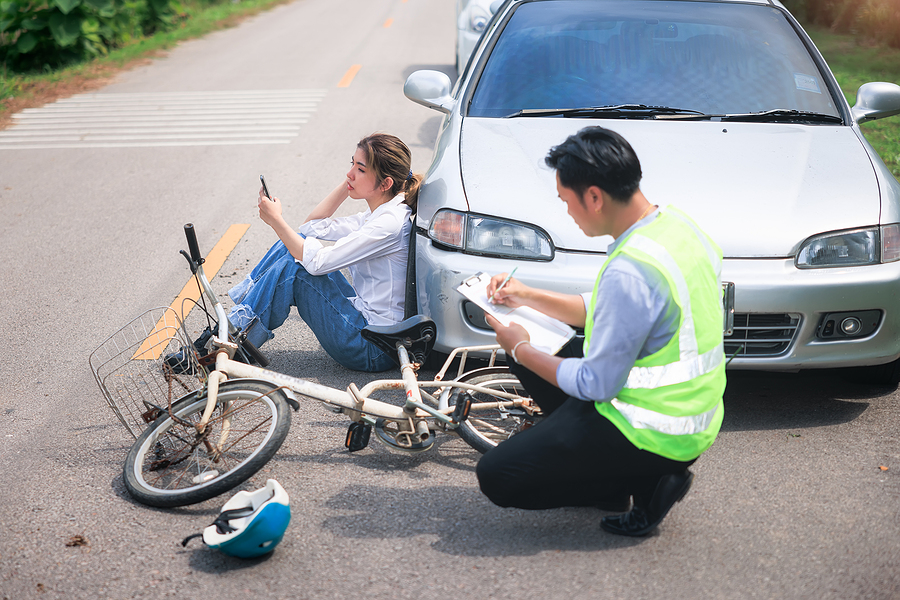
What To Do After A Bicycle Accident
Many people search for what to do after a bicycle accident because the moments that follow can feel overwhelming. Taking the right steps can help protect your health and your claim.
After a bicycle accident, you should:
- Call 911 and report the crash
- Take photos or videos of the scene, your injuries, and any damage
- Exchange information with the driver
- Seek medical attention as soon as possible
- Avoid giving a recorded statement to the insurance company before speaking with an attorney
- Contact a bicycle accident lawyer
Taking these steps can help protect your health and preserve important evidence after an accident. They can also make it easier to understand what happened if you decide to pursue a bicycle accident claim.
Talk To Cellino Law After A Bicycle Accident
Understanding how traffic laws apply to bicyclists can help you make more informed decisions after an accident. If a driver’s negligence caused your injuries, you should not have to handle the insurance company or claims process on your own.
At Cellino Law, we help injured bicyclists understand their options and determine the next steps after an accident. Schedule a free case evaluation online or call 888-888-8888 to speak with a member of our team today.
Content checked by the personal injury attorney Timothy Cellino
Timothy Cellino
As a family man and a trial attorney, I pride myself on winning cases and serving the community.
I understand the function of a jury, how juries arrive at conclusions, and the role that the jury plays in administering justice. I know how to win cases. You can find us in Manhattan, Buffalo, Melville, Rochester, Brooklyn, The Bronx, Queens and other locations throughout New York.