
Can I Still Sue for My Injuries at a Haunted House Even if I Signed a Waiver?
Haunted houses are a Halloween favorite, with jump scares, dark hallways and special effects designed to surprise visitors. But a scary good time doesn’t mean you should leave injured. Crowded walkways, malfunctioning props and unsafe conditions could turn a night of scares into a can cause real problems for visitors and scare actors alike.
Many attractions require visitors to sign a liability waiver before entering. While these agreements are intended to limit an operator’s legal responsibility, signing one does not automatically mean you give up your right to pursue a personal injury claim.
If you were injured at a haunted house in New York, New Jersey or Connecticut, Cellino Law can help you understand your legal options. Schedule a free case evaluation online or call 888-888-8888 to speak with a member of our team. There’s no fee unless we win your case.
Key Takeaways About Haunted House Injuries and Liability Waivers
- Signing a liability waiver does not automatically prevent you from suing after an injury.
- Whether a waiver is enforceable depends on its wording, the circumstances of the accident and applicable state law.
- Haunted house operators must take reasonable steps to protect visitors from foreseeable hazards.
- New York, New Jersey and Connecticut apply different rules to liability waivers for recreational activities.
- Photographs, incident reports, witness statements and the signed waiver may help establish whether you have a claim.
Can You Sue a Haunted House After Signing a Liability Waiver?
You may still be able to sue a haunted house attraction, even after signing a liability waiver. These agreements can affect your legal rights, but their enforceability depends on the circumstances and the law that applies.
A waiver may ask visitors to acknowledge certain risks or agree to release the attraction from liability for particular injuries. Haunted houses often use them because visitors encounter darkness, sudden movements, loud noises and other startling effects as part of the experience.
However, accepting the ordinary risks of a haunted house is not necessarily the same as agreeing to injuries caused by negligence. For example, losing your balance after being startled by an actor raises different questions from falling through a broken stair that the operator failed to repair.
The key issues in determining whether or not you have an injury claim are what the waiver covers, whether the law allows it to be enforced and whether the attraction’s conduct contributed to the injury.
What Types of Haunted House Accidents Can Lead to Injuries?
Dark rooms, narrow passages, sudden movements and loud noises can make it harder for visitors to spot legitimate hazards, particularly when they’re startled or moving quickly through the haunted house.
Common accidents include:
- Slips, trips and falls: Loose flooring, uneven steps, exposed cords and wet surfaces can cause visitors to fall.
- Falling props: Unsecured decor, lighting equipment and other objects may fall onto guests.
- Collisions with actors or visitors: Crowded hallways, sudden movements and poor crowd control can lead to injuries.
- Burns and electrical injuries: Faulty wiring, malfunctioning equipment and improperly operated special effects can create dangerous conditions.
- Moving equipment injuries: Mechanical props, moving walls and interactive features can cause harm if they malfunction or are operated unsafely.
An injury alone does not establish liability. The important questions are what caused it, whether the risk was foreseeable and whether the operator took reasonable precautions.
When Can a Haunted House Be Held Liable for an Injury?
Haunted house owners and operators must take reasonable care to maintain safe conditions for visitors. Although guests should expect to be frightened, operators still need to address foreseeable hazards that could cause preventable injuries.
A premises liability claim may arise when a dangerous condition causes an injury and the responsible party failed to take reasonable steps to address it. Depending on the circumstances, that may involve showing that the operator created the hazard, knew about it or should have discovered it.
For example, an operator could potentially be liable if a poorly secured prop falls onto a visitor or management fails to address a dangerous staircase. The specific facts, available evidence and applicable law determine whether the operator may be held responsible.
Does Signing a Waiver Prevent You From Suing in NY, NJ or CT?
New York, New Jersey and Connecticut take different approaches to liability waivers. Where the injury occurred can make a significant difference in whether an attraction can rely on a signed agreement to defend against a negligence claim.
New York
New York law makes certain waivers unenforceable when a paid recreational or amusement establishment attempts to release itself from liability for its own negligence.
If a haunted house qualifies as a covered place of amusement or recreation and the statutory requirements are met, a waiver generally cannot shield the operator from liability for its negligence. However, whether the law applies depends on the nature of the attraction, the payment arrangement and the circumstances surrounding the agreement.
Even if a waiver is unenforceable, an injured visitor must still establish the elements of a valid negligence claim.
New Jersey
New Jersey courts may enforce certain liability waivers for recreational activities, depending on the wording of the agreement, the circumstances and public policy considerations. A waiver’s enforceability is not automatic simply because a visitor signed it.
Courts may distinguish between ordinary negligence and more serious misconduct, such as reckless or intentional conduct. Other legal duties and statutory requirements can also affect whether a waiver is enforceable.
For a haunted house injury, the specific agreement and the facts surrounding the accident are important in determining whether the operator can rely on the waiver as a defense.
Connecticut
In Connecticut, signing a waiver does not automatically mean you give up your right to sue if you get hurt. Whether a waiver holds up depends on the circumstances, including how clearly it explains the risks and whether enforcing it would be fair under the law.
For example, a haunted house may not be able to avoid responsibility simply because you signed a form before entering. If you were injured because the attraction failed to take reasonable safety precautions, you may still have grounds for a claim. However, the details of the accident and the wording of the waiver matter, so it’s worth having an attorney review your situation.
What if You Were Injured by an Actor or Haunted House Employee?
Haunted house actors often jump out from behind walls, make sudden movements or interact with guests to create scares. However, an interaction can become dangerous if an employee acts carelessly or goes beyond the attraction’s intended activities.
For example, an employee who pushes a visitor, causes them to fall or operates equipment unsafely could potentially create grounds for a claim. The operator may also share responsibility if inadequate training or supervision contributed to the injury, or if the employee’s conduct makes the operator legally responsible.
Visitors may expect to be startled, but that does not automatically mean they have agreed to physical contact or unsafe conduct. What happened and whether it was part of the attraction’s expected activities will matter when evaluating a claim.
Does It Matter if You Were Partially at Fault?
Your own actions can affect whether you recover compensation and how much you may receive. For example, someone who runs through an attraction despite instructions to walk could share responsibility if their actions contribute to a fall. However, the operator may also be responsible if an unsafe condition played a role.
New York follows pure comparative negligence for ordinary premises liability claims, allowing compensation to be reduced according to the injured person’s percentage of fault without automatically barring recovery. New Jersey and Connecticut use modified comparative negligence rules, under which an injured person may be barred from recovering damages if their share of fault exceeds the applicable threshold.
Comparative negligence and liability waivers are separate issues. Even if a waiver is unenforceable, an injured person’s own actions may still affect their claim.
What Should You Do if You’re Injured at a Haunted House?
Haunted houses often use temporary decorations, props and lighting that may be removed or rearranged after an event. Documenting the accident promptly can help preserve evidence.
If you’re injured, consider taking these steps:
- Seek medical attention. Have your injuries evaluated, especially if you experience significant pain, dizziness or symptoms of a possible head injury.
- Report the accident. Notify management or security personnel and ask whether an incident report can be completed.
- Document the scene. If it’s safe and permitted, photograph the location, equipment and conditions that may have contributed to your injury.
- Identify witnesses. Collect contact information from anyone who saw what happened.
- Save your waiver and ticket. Keep copies of the agreement you signed, your admission receipt and any related communications.
- Speak with an attorney. A personal injury lawyer can review the waiver, investigate the accident and explain your options.
Acting promptly may help preserve surveillance footage, locate witnesses and document hazards before the attraction closes or dismantles its temporary setup.
Injured at a Haunted House? Contact Cellino Law
Signing a liability waiver does not automatically prevent you from pursuing compensation after a haunted house injury. Whether you have a claim depends on the circumstances of the accident, the operator’s conduct and the laws that apply.
If you were injured at a haunted house in New York, New Jersey or Connecticut, Cellino Law can review your accident, examine any waiver you signed and help you understand your legal options.
Schedule a free case evaluation online or call 888-888-8888 to speak with a member of our team. There’s no fee unless we win your case.
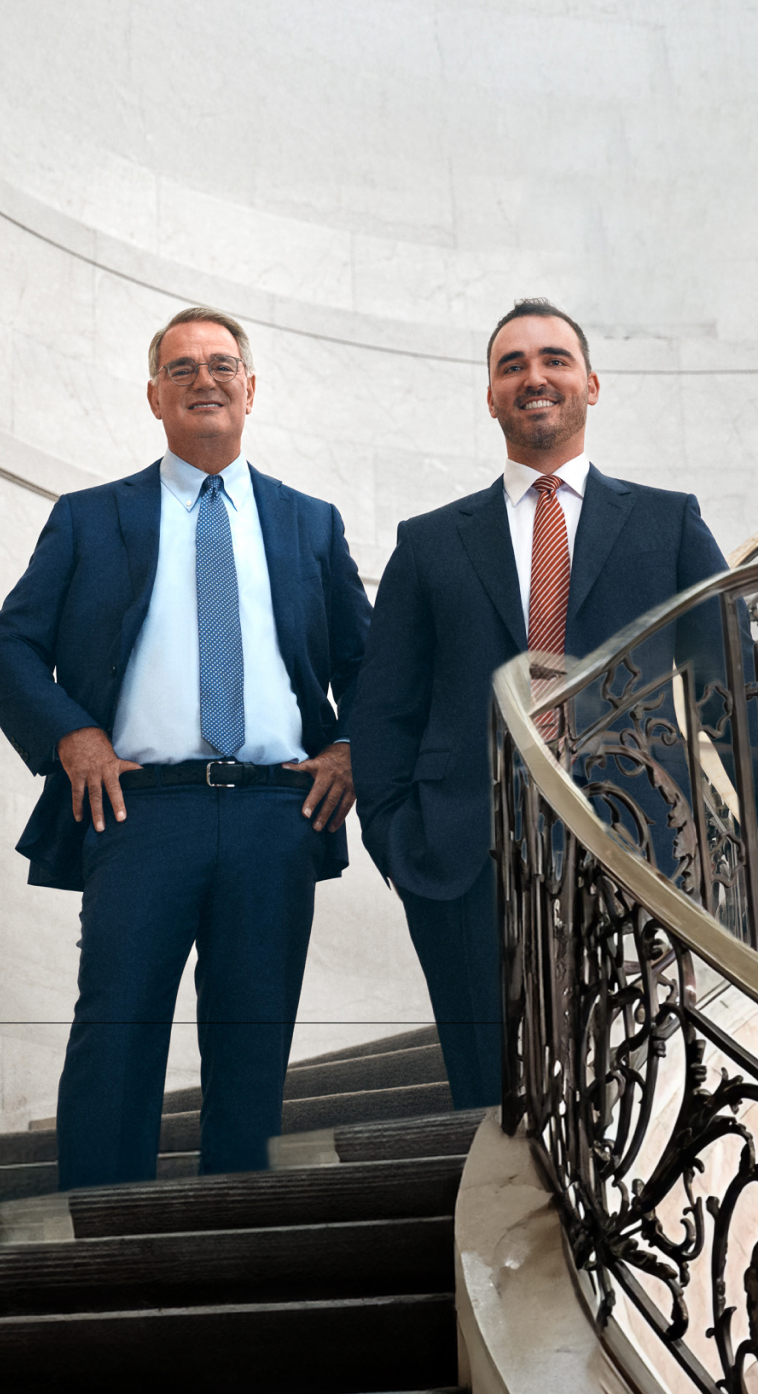
Content checked by the personal injury attorney Timothy Cellino
Timothy Cellino
As a family man and a trial attorney, I pride myself on winning cases and serving the community.
I understand the function of a jury, how juries arrive at conclusions, and the role that the jury plays in administering justice. I know how to win cases. You can find us in Manhattan, Buffalo, Melville, Rochester, Brooklyn, The Bronx, Queens, and other locations throughout New York, New Jersey, and Connecticut.