Who is at Fault For a Rear-End Collision in Bridgeport, Connecticut?
By Ross Cellino
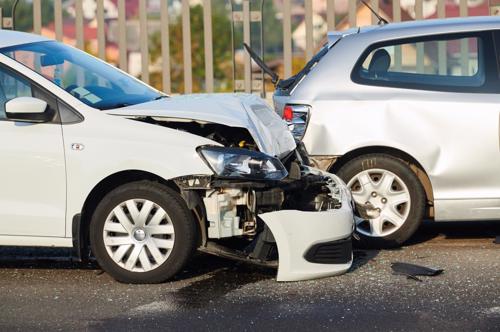
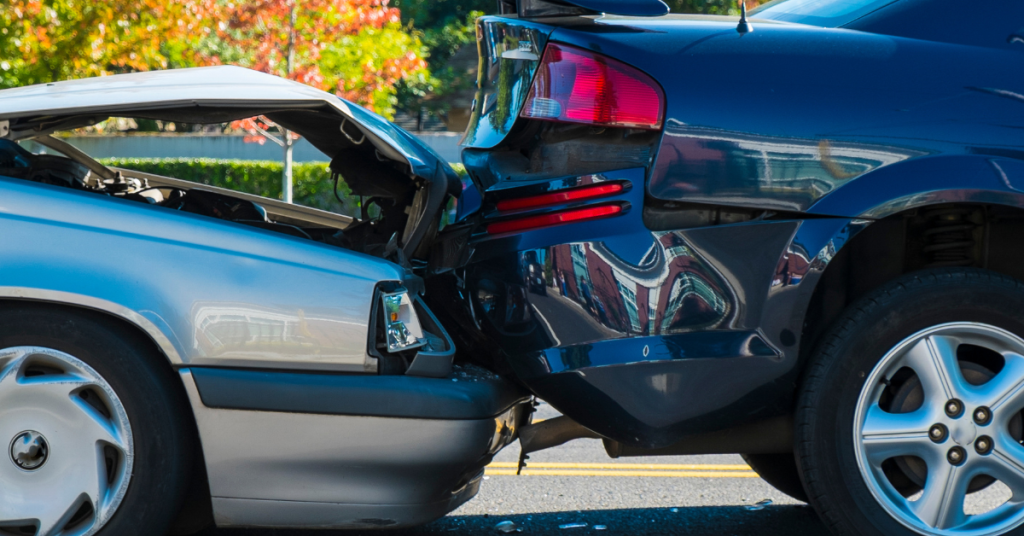
A rear-end collision can happen in a matter of seconds. One moment you’re driving through Bridgeport traffic on I-95 or waiting at a red light downtown, and the next, you’re dealing with injuries, vehicle damage and unexpected medical bills. With heavy traffic and frequent stop-and-go conditions, these accidents are common throughout Bridgeport, CT.
In Connecticut, determining rear end collision fault depends on the details of how the crash occurred. While the driver who rear-ended the other is often responsible, that is not always the case. The specific facts of the accident play a role in who may be held liable and what compensation may be available.
If you’ve been injured, speaking with a Bridgeport car accident lawyer can help you understand your rights and what steps to take next. At Cellino Law, our team has experience handling these types of claims and can guide you through the process. Whether you are searching for a rear-end accident lawyer or looking for answers after a crash, we are here to review your situation and explain your legal options during a free consultation.
Key Takeaways From This Article:
- Rear drivers are usually at fault: Most cases come down to following too closely or not reacting in time.
- Fault isn’t always one-sided: The lead driver or even other parties can share responsibility depending on the situation.
- Evidence drives the outcome: Strong documentation and Connecticut’s modified comparative negligence rules impact how claims are decided.
Who Is Typically at Fault for a Rear-End Collision?
In many rear-end collisions, the driver in the back is considered at fault. Drivers are expected to maintain a safe following distance and be prepared to stop when traffic slows or comes to a halt.
Rear-end accidents often happen when a driver:
- Is following the car in front of them too closely
- Is distracted by a phone, GPS, or other activity
- Is speeding or not paying full attention to traffic conditions
When a driver fails to leave enough space or react in time, they may be held responsible for the crash. However, fault is not automatic in every situation. The specific details of how the accident occurred will always be considered.
When the Lead Driver May Be at Fault
While the rear driver is often considered responsible, there are situations where the lead driver may be at fault, or partially at fault, for the collision. Liability can shift based on how the accident occurred.
For example, the lead driver may be responsible if they:
- Stop suddenly without a valid reason
- Have brake lights that are not working properly
- Reverse unexpectedly into another vehicle
These situations can make it difficult for the driver behind to react in time, even if they were paying attention. Because of this, fault in a rear-end collision is not always automatic. Each case depends on the specific facts and evidence surrounding the crash.
Other Parties Who May Be Responsible
In some rear-end collisions, responsibility may extend beyond the drivers involved. Depending on the circumstances, other parties may also be held accountable.
For example:
- A vehicle manufacturer may be responsible if defective brakes or other mechanical issues contributed to the crash
- A commercial vehicle company may be liable if their driver was on the job or if proper training and maintenance were not provided
- A government entity may be involved if road design, traffic signals, or poor roadway maintenance played a role in the accident
Identifying all potentially responsible parties is an important step in building a strong claim and understanding your legal options.
How Connecticut Law Determines Fault In Rear-End Accidents
In Connecticut, negligence is based on whether a driver failed to use reasonable care. Drivers are expected to stay alert, keep a safe following distance, and be ready to stop when traffic changes.
To prove negligence, four elements must be shown:
- A duty of care existed
- That duty was breached
- The breach caused the accident
- The accident resulted in damages
In most rear-end collisions, the trailing driver is often considered at fault. However, fault can be shared if the lead driver acted unsafely, such as stopping abruptly or having non-working brake lights.
What If You Were Partly at Fault?
Connecticut follows a modified comparative negligence rule. This means you can still recover compensation if you were partly at fault, as long as you are not more than 50% responsible for the accident.
However, your compensation will be reduced based on your percentage of fault. For example, if you are found to be 20% responsible, your total recovery would be reduced by 20%.
Understanding how fault is shared can affect how your case is evaluated.
What Evidence Helps Prove Fault in a Rear-End Crash?
Proving fault often comes down to the strength of the evidence. The more clearly the details of the crash are documented, the easier it may be to determine who is responsible.
Helpful evidence may include:
- Police reports from the scene
- Dash cam footage
- Photos or videos of vehicle damage and road conditions
- Statements from eye witnesses
- Traffic camera or surveillance footage
- Vehicle data or repair records
Collecting this information early can help support your claim and provide a clearer picture of what happened.
What Damages Can You Recover After a Rear-End Collision
The impact of a rear-end accident can vary from person to person. The value of a claim often depends on how the injuries affect your daily life and ability to work.
Compensation may include:
- Medical expenses, both current and ongoing
- Lost wages or reduced earning ability
- Pain and suffering, including physical and emotional effects
Each case is different, and a full review of the details is needed to understand what fair compensation may involve.
What to Do After a Rear-End Collision in Bridgeport
Taking the right steps after an accident can help protect your health and your claim. If you were involved in a rear-end accident near Bridgeport, here’s what you should do:
- Call the police: The police will file a report which documents the accident scene, parties involved, and any witnesses. The insurance companies will use this report to help determine fault.
- Document the scene: If you are able to, take photos and videos of the accident scene. Visual aids that depict the roadways, damage, injuries, and anything else pertinent can corroborate your claim.
- Seek medical attention: Even if you don’t feel injured immediately after the accident, it’s important to be evaluated for possible injury by a medical professional as soon as possible.
- Consult with an attorney: Speaking to an attorney after you’ve been involved in a rear-end accident can help to protect your rights and secure you the maximum compensation for your injuries.
Common Injuries in Rear-End Accidents
Rear-end collisions can lead to a wide range of injuries depending on the severity of the crash. Some injuries appear right away, while others may take time to develop.
Common injuries from rear-end accidents include:
- Whiplash and neck injuries
- Back and spine injuries
- Head injuries, including concussions
- Soft tissue injuries affecting muscles and ligaments
Even injuries that seem minor at first can have lasting effects, which is why seeking medical care is important after any crash.
Connecticut Rear-End Accident FAQs
How long do I have to file a claim in Connecticut?
In most cases, you have two years from the date of the accident to file a personal injury claim. Many cases, such as those against governmental entities and other cases, have much sooner time limits. Acting sooner can help preserve important evidence.
What if the other driver denies fault?
Fault is determined based on evidence, not just statements. Reports, photos, and witness accounts can all help establish what really happened.
Do I need a lawyer after a rear-end collision?
While not required, working with an attorney can help you understand your rights, gather evidence, and communicate with insurance.
Speak With a Bridgeport Rear-End Accident Lawyer
At Cellino Law, we take the time to understand the details of your accident and build a case supported by clear evidence. From investigating the crash to working with professionals when needed, we prepare every case with care.
Before any negotiations begin, we make sure your claim is fully developed. This helps position you when dealing with insurance companies. If an offer does not reflect the full value of your case, we are prepared to take the next steps.
If you were injured in a rear-end collision in Bridgeport, contact Cellino Law. We can review your situation, answer your questions, and help you understand what to do next.
Content checked by the personal injury attorney Ross Cellino
Ross Cellino
As a family man and a trial attorney, I pride myself on winning cases and serving the community. With over 35 years of experience, I understand the function of a jury, how juries arrive at conclusions, and the role that the jury plays in administering justice. I know how to win cases. You can find us in Manhattan, Buffalo, Melville, Rochester, Brooklyn, The Bronx, Queens, and other locations throughout New York, New Jersey, and Connecticut.