Manhole Accidents: How Do They Happen and Who’s Responsible?
Manhole accidents are uncommon, but can happen when a cover is missing, loose, uneven, damaged, or forced off by an underground explosion. While manholes are a necessary part of sewer, utility, and electrical systems, they can become dangerous when they are not properly inspected, secured, or repaired.
These incidents can cause serious injuries, and can even be fatal in some cases. Depending on how the accident happens, injuries may result from a fall, vehicle crash, fire, explosion, electrical exposure, or toxic fumes.
If you or a loved one was injured in a manhole accident, call Cellino Law at 888-888-8888 or contact us online for a free case evaluation.
Key Takeaways About Manhole Accidents
- Manhole accidents may involve falls, explosions, fires, toxic fumes, electrical exposure, or vehicle crashes.
- Responsible parties may include municipalities, utility companies, contractors, property owners, or manufacturers.
- Evidence can disappear quickly if the cover is replaced, the road is repaired, or a work zone is cleared.
- Claims involving cities, towns, or public agencies may have strict notice deadlines.
- An attorney can help identify who controlled, maintained, or created the dangerous condition.
What Are Manhole Accidents?
Manhole accidents involve injuries caused by access points to underground systems, including sewer lines, electrical systems, gas lines, steam tunnels, telecommunications equipment, and drainage systems. These openings are usually covered by heavy metal covers, but they can become dangerous when they are not properly secured, repaired, or maintained.
A manhole accident may involve:
- A pedestrian falling into an open manhole
- A cyclist crashing after hitting a raised or sunken cover
- A vehicle striking a damaged cover or utility plate
- A manhole cover blowing off after an underground explosion
- A worker being exposed to toxic gas, fire, steam, or electrical current
How Do Manhole Accidents Happen?
Manhole accidents often happen because someone failed to inspect, repair, secure, or warn people about a dangerous condition.
In some cases, the danger develops over time, such as when a cover becomes loose, cracked, or uneven from traffic and weather. In others, a sudden event like an underground explosion or utility failure can create an immediate risk for anyone nearby.
Missing or Unsecured Covers
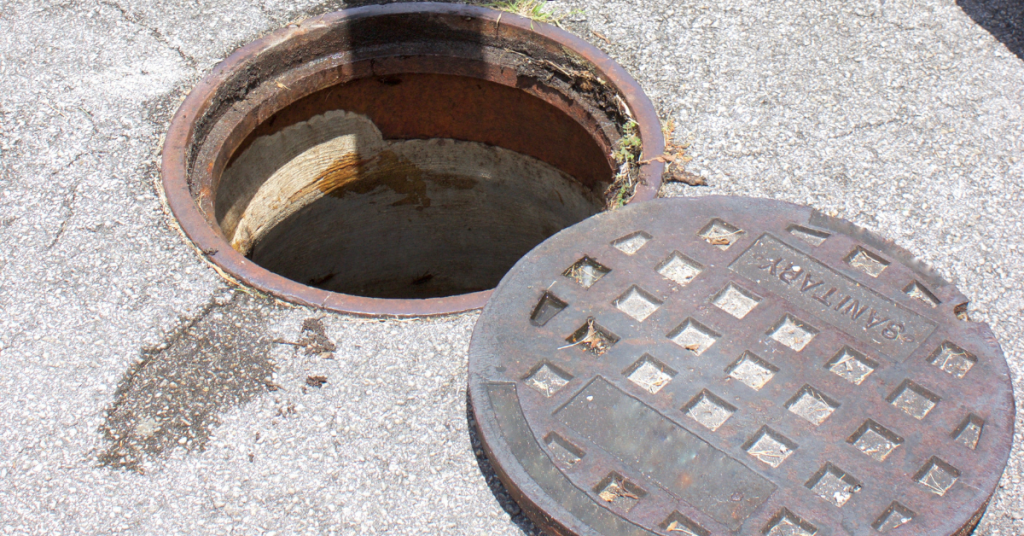
A missing or loose manhole cover can create a serious fall risk. These accidents may happen after utility work, road construction, heavy traffic, theft, tampering, or poor installation. When a person falls into an open manhole, they may suffer broken bones, head injuries, spinal injuries, burns, internal injuries, or wrongful death.
Uneven or Damaged Covers
A manhole cover does not need to be missing to cause harm. Raised, sunken, cracked, or unstable covers can be dangerous for pedestrians, cyclists, motorcyclists, and drivers. These conditions are especially dangerous in bike lanes, crosswalks, parking lots, sidewalks, and poorly lit areas.
Manhole Explosions and Fires
Manhole explosions may happen when underground gases build up, electrical systems fail, or pressure increases below the street. In some cases, a cover can be launched into the air with enough force to injure people, damage vehicles, or cause crashes.
These incidents may be caused by:
- Electrical cable failures
- Gas buildup
- Steam pressure
- Short circuits
- Water entering underground electrical systems
- Poor maintenance
Unsafe Work Zones
Utility work, sewer repairs, and construction often require crews to open manholes. If workers fail to use cones, barricades, signs, lighting, or safe pedestrian routes, people nearby may be injured.
Who Is Most at Risk?
Anyone can be injured in a manhole accident, but certain groups face a higher risk because of how they use or access streets, sidewalks, work zones, and underground utility areas.
Pedestrians
Pedestrians may fall into open manholes or trip over uneven covers, especially at night, in crowds, or near construction areas. These accidents can be particularly dangerous because a person may have little warning before stepping into or near the opening.
Cyclists and Motorcyclists
Cyclists and motorcyclists are vulnerable because a raised, sunken, or slippery cover can cause them to lose control. Even a small change in the road surface can lead to a serious crash, especially in traffic or poor weather.
Drivers and Passengers
Drivers may be injured if they hit a defective manhole cover, swerve to avoid one, or are struck by debris from an explosion. A damaged or displaced cover can also cause tire damage, loss of control, or collisions with nearby vehicles.
Utility Workers and Contractors
Workers who enter manholes may face falls, toxic gases, electrical exposure, burns, low oxygen, or confined-space injuries. These risks can increase when proper safety procedures, ventilation, testing, or protective equipment are not used.
Common Injuries Caused by Manhole Accidents
Manhole accidents can cause serious injuries, especially when they involve a fall, vehicle crash, explosion, fire, or electrical exposure. The severity of the injuries often depends on how the accident happened and how quickly the injured person receives medical care.
Injuries often include:
- Broken bones
- Concussions
- Traumatic brain injuries
- Neck and back injuries
- Spinal cord injuries
- Burns
- Electric shock injuries
- Crush injuries
- Internal injuries
- Respiratory injuries
- Wrongful death
Medical attention is important after any manhole accident. Some symptoms, including pain, dizziness, breathing issues, and signs of a head injury, may not appear right away or may worsen in the days after the accident.
Who Is Responsible for a Manhole Accident?
Liability in a manhole accident depends on who owned, controlled, maintained, repaired, or created the dangerous condition. These may include the following:
Municipalities and Government Agencies
Cities, towns, counties, and public works departments may be responsible for certain sewer systems, drainage systems, sidewalks, or roadways. If a public agency knew or should have known about a dangerous manhole condition and failed to address it, it may be liable.
Claims against government entities often involve shorter deadlines. In New York, Connecticut, and New Jersey, notice requirements may apply, so it is important to act quickly.
Utility Companies
Utility companies may be responsible for manholes connected to electrical, gas, steam, telecommunications, or other underground systems. They may be liable if poor maintenance, defective equipment, delayed repairs, or underground failures caused the accident.
Contractors and Construction Companies
Contractors may be responsible if a manhole accident happened during roadwork, utility repairs, construction, or maintenance. This may include failing to secure a cover, leaving an opening exposed, or failing to warn the public.
Property Owners
Some manholes are located on private property, including parking lots, apartment complexes, commercial properties, and industrial sites. A property owner or manager may be liable if they failed to inspect, repair, or warn about a dangerous condition.
Manufacturers or Installers
If a defective cover, frame, locking system, or installation contributed to the accident, a manufacturer or installer may also be responsible.
How Do You Prove Liability?
To prove liability after a manhole accident, evidence is important. Useful evidence may include:
- Photos or videos of the manhole
- Surveillance footage
- Witness statements
- Police or incident reports
- Prior complaints
- Inspection and maintenance records
- Utility work orders
- Construction permits
- Medical records
- Expert analysis
This evidence can be difficult to gather after repairs are made, so quick action can help protect your claim.
What Should You Do After a Manhole Accident?
After a manhole accident, the steps you take can help protect your health, document what happened, and preserve important evidence for a potential injury claim. These incidents can involve multiple responsible parties, so it is important to create a clear record of the accident as soon as possible.
After a manhole accident, you should:
- Seek medical attention.
- Report the accident.
- Take photos and videos of the scene.
- Get witness contact information.
- Save medical records, bills, and repair estimates.
- Avoid recorded statements without legal guidance.
- Contact a personal injury attorney.
Because manhole accident claims may involve municipalities, utility companies, contractors, or private property owners, speaking with an attorney can help you understand your options and avoid missing important deadlines.
Speak With a Manhole Accident Attorney
Manhole accidents can lead to serious injuries and complicated legal claims. Multiple parties may be involved, and government notice deadlines may apply. An attorney can investigate the accident, determine who was responsible, and pursue compensation on your behalf.
Cellino Law represents injured people across New York, with offices in Connecticut and New Jersey as well. There is no fee unless we win your case. If you or a loved one was injured in a manhole accident, contact Cellino Law today for a free case evaluation.
Content checked by the personal injury attorney Timothy Cellino
Timothy Cellino
As a family man and a trial attorney, I pride myself on winning cases and serving the community.
I understand the function of a jury, how juries arrive at conclusions, and the role that the jury plays in administering justice. I know how to win cases. You can find us in Manhattan, Buffalo, Melville, Rochester, Brooklyn, The Bronx, Queens and other locations throughout New York.