
Who Can Be at Fault in a Rear-End Collision?
Rear-end collisions are one of the most common types of car accidents we see as personal injury attorneys. They can happen virtually anywhere: in heavy traffic, at intersections, or even when a driver is stopped at a red light. While following too closely is a common cause of these accidents, several other factors can also play a role.
When one vehicle hits another from behind, most people assume that the rear driver is at fault. While that’s often the case, there are situations where the driver in front could share responsibility. The actions of both motorists, road conditions, and other circumstances can affect who’s held liable.
If you’ve been injured in a rear-end collision, Cellino Law can help explain your legal options. Schedule a free case evaluation online or call 888-888-8888 to speak with a member of our team.
Key Takeaways on Who’s at Fault in a Rear-End Collision
- The rear driver is often considered at fault in a rear-end collision, but they’re not automatically responsible for every accident.
- Following too closely, speeding, and distracted driving are common causes of rear-end collisions.
- The front driver could share fault if their actions contributed to the crash.
- Multiple drivers may be liable in chain-reaction accidents involving three or more vehicles.
- State laws and insurance coverage can affect how fault is determined and what compensation may be available.
Is the Rear Driver Always at Fault in a Rear-End Collision?
In a majority of rear-end collisions, the driver who hits the vehicle ahead is considered responsible. Drivers are expected to leave enough space between their car and the vehicle in front of them to slow down or stop safely when traffic conditions change. If they fail to do so and cause an accident, they are likely to be held liable for the resulting injuries and damage.
However, the rear driver isn’t automatically at fault simply because they were the one who hit the other vehicle. Certain circumstances may shift some or all of the responsibility to another driver, and the laws governing negligence vary by state.
What Are the Most Common Causes of Rear-End Collisions?
Rear-end accidents can happen for a number of different reasons. Some of the most common contributing factors include:
- Following too closely: Leaving too little space between vehicles can make it difficult to stop when traffic slows.
- Distracted driving: Texting, adjusting navigation, or looking away from the road can delay a driver’s reaction when traffic suddenly changes.
- Speeding: Driving too fast reduces the time available to respond to changes in traffic.
- Poor weather conditions: Rain, snow, and ice can make stopping more difficult, especially when drivers don’t appropriately adjust their speed.
- Impaired or fatigued driving: Alcohol, drugs, and exhaustion can affect judgment and reaction time.
Sometimes, several of these factors contribute to the same accident. For instance, a driver traveling too fast on a wet road may have difficulty stopping when traffic slows ahead. Understanding what led to the crash can help show whether someone acted negligently.
When May the Front Driver Be at Fault for a Rear-End Collision?
Although less common, there are situations where the driver in front could share some or all of the fault. This can happen when their actions create an unexpected danger that leads to a crash. The front driver may share responsibility if they:
- Reverse unexpectedly
- Make an unsafe lane change
- Drive with defective brake lights
- Brake suddenly without a clear reason
Not every mistake made by the driver ahead means they’ll be held liable for an accident. There needs to be a connection between their actions and what caused the collision. For example, changing lanes without leaving enough space for another vehicle could contribute to a crash, while stopping for a red light is a normal part of driving. This kind of difference matters when deciding whether the front driver shares any fault.
Who’s Responsible for a Chain-Reaction Rear-End Collision?
When three or more vehicles are involved in a rear-end collision, figuring out who’s responsible can become more complicated. These accidents often happen when one vehicle strikes another and pushes it into the car ahead.
Imagine three vehicles stopped at a red light. The driver of the last car fails to stop and hits the vehicle directly ahead, pushing it into the first car. In this situation, the driver who caused the initial impact could be responsible for injuries and damage involving all three vehicles.
Not every chain-reaction accident happens this way, though. If several drivers failed to maintain a safe distance or stop in time, more than one person could share fault. Investigators may review the damage to each vehicle and the order of impacts to determine who caused the first collision and whether other drivers contributed to the accident.
How Is Fault Determined After a Rear-End Collision?
Determining who’s at fault often requires more than just looking at which vehicle struck the other. Insurance companies, attorneys, and courts may review different types of evidence to understand how the accident happened and whether either driver acted negligently. Important evidence includes:
- Police accident reports
- Photographs of the vehicles and accident scene
- Dashcam or nearby surveillance footage
- Statements from drivers and witnesses
- Vehicle damage and the location of each impact
Photos, video footage, and witness statements can help establish where the vehicles were positioned, how traffic was moving, and what happened immediately before the accident. These details are especially useful when drivers give different accounts of the accident or when more than one person may be responsible.
Can You Recover Compensation After a Rear-End Collision?
If you’re injured in a rear-end collision caused by someone else’s negligence, you may be entitled to compensation for your losses. Depending on the circumstances, recoverable damages can include medical expenses, pain and suffering, lost wages, or property damage.
What you can recover after a rear-end collision depends partly on the insurance laws in your state. In states with No-Fault insurance, certain expenses are covered by your own insurance, regardless of who caused the crash, subject to policy terms and state requirements. In states that mainly use fault-based insurance, the responsible driver’s liability coverage may pay for qualifying losses.
States also have different rules for accidents involving shared fault. Depending on where the collision happened, an injured person’s percentage of responsibility could reduce their compensation or prevent them from recovering damages altogether.
What Should You Do After Being Rear-Ended?
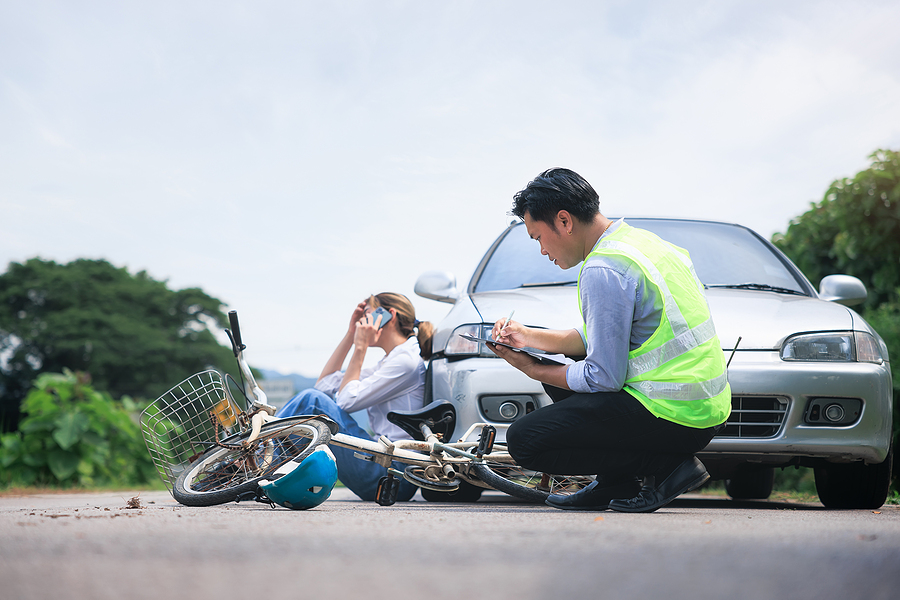
After a rear-end collision, taking the right steps can help protect your health and preserve important information about the accident. Whether you’re the driver who was hit or the one who struck another vehicle, here’s what you should do:
- Check for injuries. Seek medical attention, even if you feel fine and don’t notice serious symptoms immediately.
- Contact the police. Call 911 and request an officer at the scene to file a police report and request an ambulance if anyone is injured.
- Document the scene. Take pictures and video of vehicle damage, road conditions, and the surrounding area.
- Exchange information. Collect the other driver’s contact and insurance details.
- Notify your insurance company. Report the accident and ask about the requirements for filing a claim.
- Speak with an attorney. A personal injury lawyer can review the evidence and help determine who’s liable.
Reporting requirements after a rear-end collision vary by state, particularly when injuries, deaths, or property damage are involved. For example, New York requires drivers to file a report with the DMV within 10 days if someone is injured or killed, or if property damage to one person exceeds $1,000. New Jersey has a lower property damage threshold of $500 and requires drivers to notify police. A written report must also be submitted within 10 days unless law enforcement already did so. In Connecticut, drivers are required to report these kinds of accidents to the police, regardless of the amount of damage.
Because these requirements differ, it’s important to promptly report a collision and notify your insurance company, as your policy may have its own deadlines. Taking these steps early can help preserve evidence and protect your ability to pursue a claim.
Understanding Your Options After a Rear-End Collision
While the rear driver is often considered at fault, every accident is different. Understanding what caused the crash and how the actions of those involved contributed to it can help determine whether an injured person has grounds for a claim.
If you’ve been injured in a rear-end collision caused by someone else’s negligence, Cellino Law can help explain your legal options. Schedule a free, no-risk case evaluation online or call 888-888-8888 to speak with a member of our team. There are no fees unless we win your case.
Content checked by the personal injury attorney Timothy Cellino
Timothy Cellino
As a family man and a trial attorney, I pride myself on winning cases and serving the community.
I understand the function of a jury, how juries arrive at conclusions, and the role that the jury plays in administering justice. I know how to win cases. You can find us in Manhattan, Buffalo, Melville, Rochester, Brooklyn, The Bronx, Queens, and other locations throughout New York, New Jersey, and Connecticut.