
What Is Considered Reckless Driving in Connecticut?
By Ross Cellino
Reckless driving involves conduct that creates a clear danger to passengers, pedestrians, bicyclists, or other drivers. Under Connecticut law, a person may be charged with reckless driving based on excessive speed or other dangerous actions.
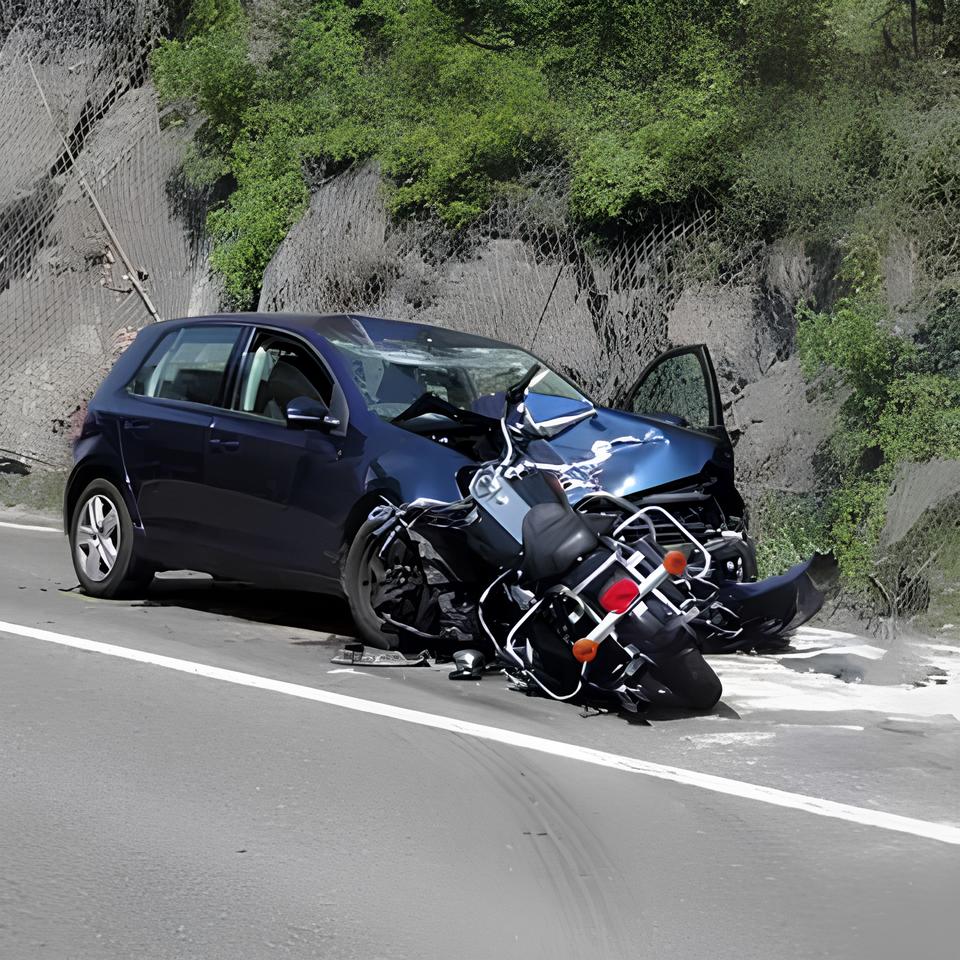
When a reckless driver causes a crash, they may face criminal penalties as well as a personal injury claim. Evidence of reckless conduct can help establish liability and may even support a request for additional damages in certain cases.
If you were injured by a dangerous driver in Connecticut, Cellino Law can review what happened and explain your legal options. Schedule a free case evaluation online or call 888-888-8888.
Key Takeaways
- Under Connecticut law, driving faster than 85 mph is considered reckless driving, even when the posted speed limit is high.
- Driving below 85 mph may still be reckless when speed and other circumstances create a serious danger to others.
- Reckless driving involves more than ordinary carelessness. It may require proof that the driver knowingly ignored a serious risk.
- Evidence of reckless driving can help establish fault in a Connecticut personal injury case, but a traffic charge or conviction is not always required.
- Connecticut law may allow double or triple damages when certain traffic violations are committed deliberately or with reckless disregard and substantially contribute to an injury.
What Is the Legal Definition of Reckless Driving in Connecticut?
Connecticut General Statutes Section 14-222 prohibits operating a motor vehicle recklessly on public highways and certain other roads, parking areas, and school properties.
The law directs courts to consider the conditions surrounding the driver’s conduct, including:
- The width and use of the road
- The amount of traffic
- Nearby intersections
- Weather and road conditions
- Whether the driver’s speed endangered another person
The statute also identifies several actions that qualify as reckless driving. These include knowingly driving a vehicle with a defective mechanism and allowing certain commercially registered vehicles to travel downhill with the clutch or gears disengaged.
Most reckless driving claims, however, involve extreme speed or a combination of dangerous behaviors.
What Is the Reckless Driving Speed Threshold in Connecticut?
Connecticut’s reckless driving threshold is any speed over 85 mph. A person who drives faster than 85 mph can violate the reckless driving statute based on speed alone.
This threshold applies regardless of the posted speed limit. For example, driving faster than 85 mph may qualify as reckless driving in both a 65-mph zone and a 55-mph zone. The difference between the vehicle’s speed and the posted limit may still be relevant when evaluating the full seriousness of the conduct.
It is important to distinguish the reckless driving threshold from ordinary speeding. Driving 75 mph in a 65-mph zone may violate Connecticut’s speeding laws, but it does not necessarily meet the statutory reckless driving threshold. Still, a driver traveling 85 mph or below could be found reckless based on how and where the driving occurred.
For example, traveling 70 mph may present a much greater danger when the driver is approaching stopped traffic, driving through heavy rain, or speeding near a crowded school crossing. The speed, road conditions, traffic, visibility, and driver’s other actions must be considered together.
Can Driving 85 MPH or Below Still Be Considered Reckless?
The 85-mph threshold is not the only way driving can be considered reckless in Connecticut.
The law also covers driving at a speed that endangers the life of someone other than the driver. Connecticut courts have explained that speed alone may not always prove reckless conduct unless the vehicle exceeds the statutory threshold. Speed combined with other dangerous circumstances, however, may show a reckless disregard for the consequences.
Examples may include:
- Weaving through heavy traffic at a high speed
- Passing another vehicle where visibility is limited
- Racing on a public road
- Ignoring warning signs while approaching a dangerous area
- Speeding through a work zone, school zone, or crowded intersection
- Driving too fast for snow, ice, fog, or heavy rain
- Repeatedly following another vehicle at an unsafe distance
- Knowingly operating a vehicle with unsafe brakes or another serious defect
Not every careless decision amounts to reckless driving. Running a red light because a driver failed to pay attention, for example, may support a negligence claim. Proving recklessness may require evidence that the driver understood, or reasonably should have understood, that the conduct created a serious danger and chose to continue anyway.
Reckless Driving vs. Negligent Driving
Negligence occurs when a driver fails to use reasonable care. A driver may be negligent by looking away from the road, following too closely, failing to yield, or driving too fast for the conditions. These actions can happen because the driver was careless, even if the driver did not consciously recognize the danger.
Recklessness is a higher level of misconduct. It involves more than a failure to act carefully. It may involve making a conscious choice despite knowing about a serious risk or ignoring facts that would make the danger clear to a reasonable person.
Consider a driver who briefly misjudges the distance needed to stop. That may be negligence. A driver who races toward stopped traffic at an extreme speed while weaving between vehicles may be acting recklessly.
The distinction matters because a personal injury case based on reckless conduct may be treated differently from a standard negligence claim.
How Can Reckless Driving Be Used in a Personal Injury Case?
An injured person must normally prove that another party caused the crash to recover compensation. Evidence that a driver violated Connecticut’s reckless driving law can help support that argument.
A personal injury attorney may use the driver’s speed and conduct to establish several parts of a claim:
- The driver had a duty to operate the vehicle safely.
- The driver violated that duty by acting negligently or recklessly.
- The dangerous conduct caused or substantially contributed to the collision.
- The collision caused injuries and financial losses.
A reckless driving conviction may provide useful evidence, but it does not automatically prove the driver is at fault. The available evidence must show what the driver did that was considered reckless and how that conduct contributed to the injuries.
What Evidence Can Help Prove Reckless Driving?
Reckless driving cases often depend on evidence gathered from several sources. Useful evidence may include:
- Police crash reports and traffic citations
- Witness statements
- Dashcam, surveillance, or traffic camera footage
- Photographs of the vehicles, roadway, and skid marks
- Vehicle event data recorder information
- Cellphone records
- Electronic records from commercial vehicles
- Accident reconstruction findings
- Statements made by the driver
- Evidence of racing, aggressive driving, or repeated traffic violations
Vehicle data may show speed, braking, steering, and other information from the moments before impact. Video footage can also show whether the driver was weaving, following too closely, passing illegally, or ignoring traffic signals.
Evidence can disappear quickly. Video may be erased, witnesses may become difficult to locate, and vehicles may be repaired or destroyed. Preserving this information soon after a crash can be important.
What Compensation May Be Available After a Reckless Driving Accident?
Someone injured by a reckless driver may be able to seek compensation for the losses caused by the crash. Depending on the circumstances, recoverable damages may include:
- Emergency treatment and hospital bills
- Follow-up care, rehabilitation, and medication
- Lost wages and reduced earning ability
- Pain and suffering
- Emotional distress
- Property damage
- Permanent disability or disfigurement
- Future medical and personal care needs
The value of a claim depends on the severity of the injuries, the available insurance coverage, the effect on the injured person’s life, and the strength of the evidence.
In a fatal accident, eligible family members and the estate may also be able to pursue a wrongful death claim.
What If the Injured Person Was Partly at Fault?
Connecticut follows a modified comparative negligence rule. Under Connecticut General Statutes Section 52-572h, a person can recover damages when their share of fault is not greater than the combined fault of the parties from whom compensation is sought.
Any damages awarded will be reduced according to the injured person’s percentage of negligence. For example, someone awarded $100,000 but found 20% responsible would receive $80,000. If the person’s negligence is greater than that of the defendants, recovery may be barred.
Claims based on reckless misconduct can raise different questions about comparative negligence and the division of responsibility. An attorney must examine which legal claims apply instead of assuming the rules for an ordinary negligence case will control every issue.
Speak With a Connecticut Car Accident Attorney
Reckless driving cases can involve extreme speed, aggressive behavior, unsafe road conditions, or several dangerous actions at once. Determining whether conduct meets Connecticut’s reckless driving threshold requires more than checking the speedometer.
Cellino Law represents people injured in reckless driving accidents throughout Connecticut, New York, and New Jersey. Our attorneys can investigate the crash, preserve evidence, deal with the insurance companies, and determine whether negligent or reckless conduct contributed to your injuries.
If you were injured by a reckless driver, schedule a free case evaluation online or call Cellino Law at 888-888-8888.
Content checked by the personal injury attorney Ross Cellino
Ross Cellino
As a family man and a trial attorney, I pride myself on winning cases and serving the community. With over 35 years of experience, I understand the function of a jury, how juries arrive at conclusions, and the role that the jury plays in administering justice. I know how to win cases. You can find us in Manhattan, Buffalo, Melville, Rochester, Brooklyn, The Bronx, Queens and other locations throughout New York.