
























Truck accident cases are significantly more complex than standard car accident claims. They involve federal safety regulations, multiple potentially liable parties, specialized forms of evidence including electronic logging devices and black box data, and insurance carriers with substantial resources and experience defending these claims. Cellino Law has the experience and resources to match that opposition and fight effectively for full compensation.
Call Cellino Law today for a free truck accident consultation. There are no fees unless we win.
Types of Trucks Involved in Accidents Cellino Law Handles
18-Wheelers and Tractor-Trailers
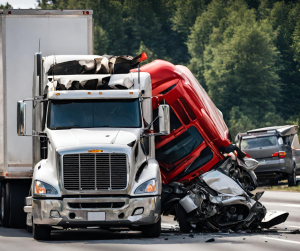
Fully loaded 18-wheel tractor-trailers can weigh up to 80,000 pounds under federal regulations, compared to the average passenger vehicle weight of approximately 3,000 to 4,000 pounds. That weight differential means that even relatively moderate-speed collisions between a tractor-trailer and a passenger vehicle can cause catastrophic injuries. Common causes of 18-wheeler accidents include driver fatigue and hours-of-service violations, distracted driving, improper cargo loading, mechanical failure from inadequate maintenance, and unsafe merging or lane changes on highways. Cellino Law pursues liability against drivers, carriers, cargo loaders, and equipment manufacturers in tractor-trailer cases throughout our service area.
Cement Trucks
Cement mixer trucks operate in close proximity to construction sites, residential areas, and commercial corridors, creating accident risks in environments with high pedestrian and cyclist traffic as well as vehicle congestion. Their rotating drums, extended chutes, and heavy loads make them difficult to maneuver and create substantial blind spot hazards. Cement truck accidents often involve construction companies, equipment manufacturers, and concrete delivery contractors as potentially liable parties alongside the driver.
Dump Trucks
Dump trucks are a common presence on roads near construction and excavation sites throughout New York, New Jersey, and Connecticut. Improperly secured loads that spill debris onto highways, mechanical failures involving the hydraulic lift system, and the vehicle’s significant height and weight all create distinct accident risks. When a dump truck driver’s negligence or a load-securement failure causes an accident, multiple parties including the driver, the contractor, and the cargo loader may bear responsibility.
Garbage Trucks
Garbage trucks make frequent stops in residential and commercial areas, creating rear-end collision risks and pedestrian conflicts throughout their routes. Side-loading and rear-loading mechanisms, combined with the vehicle’s large blind spots and awkward stopping patterns, contribute to a distinctive accident profile. Municipal garbage trucks may involve claims against government entities subject to specific notice deadlines that vary by state. Visit our New York page, New Jersey page, or Connecticut page for state-specific information on government entity claims. Cellino Law handles garbage truck accident claims involving both private haulers and municipal sanitation departments.
Tow Trucks
Tow trucks operating on roadways, particularly on highways where they respond to disabled vehicles, create accident risks for passing motorists. When tow truck operators fail to use adequate warning devices, park unsafely, or operate their vehicles negligently, they can cause serious accidents. Tow truck accident claims may involve the towing company, its insurer, and in some cases a third party whose conduct created the need for the tow in the first place.
Injured in a truck accident? Get trusted legal help from Cellino Law now.
Why Truck Accident Cases Require Specialized Legal Experience
Federal Motor Carrier Safety Administration regulations govern commercial trucking operations and establish standards for driver qualifications, hours of service, vehicle maintenance, cargo securement, and drug and alcohol testing. Violations of these regulations at the time of an accident constitute powerful evidence of negligence. Cellino Law is familiar with the FMCSA regulatory framework and uses it to strengthen every truck accident case we handle.
Truck accident cases also require prompt action to preserve critical evidence. Electronic logging devices and event data recorders capture speed, braking, location, and hours-of-service data in the moments before a crash. This data is time-sensitive — trucking companies may attempt to overwrite or destroy it. Cellino Law sends evidence preservation letters immediately upon retaining a truck accident case and pursues all available black box and ELD data through legal discovery.
Multiple Liable Parties in Truck Accident Cases
Unlike car accident cases, truck accidents frequently involve multiple parties that may share liability for your injuries, including:
- The truck driver for negligent operation, fatigue, distraction, or impairment
- The trucking company for negligent hiring, training, supervision, or pressuring drivers to violate hours-of-service rules
- The cargo loader or shipper for improper loading or securement
- The vehicle owner if different from the carrier
- The truck or parts manufacturer for mechanical defects that contributed to the crash
- A maintenance contractor if inadequate service contributed to a mechanical failure
Cellino Law investigates every layer of potential liability and pursues compensation from every responsible party.
What Compensation Can Truck Accident Victims Recover?
- All medical expenses from emergency care through long-term rehabilitation
- Future medical costs for ongoing or permanent injuries
- Lost wages and reduced earning capacity
- Pain and suffering and emotional distress where state law permits
- Property damage to your vehicle and personal belongings
- Wrongful death damages for surviving family members
How the Law Varies by State
Cellino Law serves clients in New York, New Jersey, and Connecticut, and the legal framework governing truck accident claims differs meaningfully across all three states. Understanding which rules apply to your situation is one of the first things our attorneys address when you contact us.
In New York, drivers are subject to a mandatory no-fault insurance system. Your own insurer’s Personal Injury Protection coverage pays initial medical expenses and a portion of lost wages regardless of fault. To pursue additional compensation including pain and suffering, your injuries must meet New York’s serious injury threshold. New York applies pure comparative negligence, and the general statute of limitations is three years. Claims against government entities require a Notice of Claim within 90 days. Visit our New York page for a full overview of how New York law applies to your situation.
In New Jersey, a no-fault PIP system also applies, but your ability to pursue pain and suffering damages depends on the tort option selected in your auto insurance policy. Drivers who chose the Limited Tort option can only recover pain and suffering if their injuries meet a defined verbal threshold. Those who chose Full Tort retain the unlimited right to sue. New Jersey applies modified comparative negligence with a 50 percent bar, and the statute of limitations is two years. Claims against government entities require a Notice of Tort Claim within 90 days. Visit our New Jersey page for a full overview of how New Jersey law applies to your situation.
In Connecticut, the state operates as an at-fault system, meaning you can file a claim directly against the negligent driver for the full scope of your losses without first exhausting your own coverage. Connecticut applies modified comparative negligence with a 51 percent bar. The statute of limitations is two years. All drivers are required to carry uninsured and underinsured motorist coverage. Visit our Connecticut page for a full overview of how Connecticut law applies to your situation.
For a full explanation of how the law applies to your specific situation and location, visit our New York page, our New Jersey page, or our Connecticut page, or contact Cellino Law directly for a free case evaluation.
Frequently Asked Questions About Truck Accident Claims
How long do I have to file a truck accident lawsuit?
New York’s statute of limitations for personal injury is three years. New Jersey and Connecticut apply two-year deadlines. Claims involving government-owned vehicles may carry 90-day notice requirements. Visit our New York page, New Jersey page, or Connecticut page for a full breakdown of filing deadlines in your state. Preserving electronic evidence from the truck makes early action especially important — contact Cellino Law immediately after any commercial vehicle accident.
What if the trucking company's insurer contacts me right away?
Do not speak with the trucking company’s insurance adjuster or accept any settlement before consulting Cellino Law. Trucking companies deploy adjusters quickly after serious accidents specifically to minimize their exposure before victims understand the full value of their claim. Cellino Law will handle all communications with the carrier on your behalf.
Does Cellino Law charge upfront fees for truck accident cases?
No. Cellino Law handles all truck accident cases on a contingency fee basis with no upfront costs. You pay no legal fees unless we successfully recover compensation for you. Your initial consultation is free.
Contact Cellino Law for Truck Accident Representation Today
If you or a loved one has been injured in a truck accident anywhere in New York, New Jersey, or Connecticut, Cellino Law is ready to help. Call today for a free consultation with an experienced truck accident attorney. We will evaluate your case, explain your rights, and begin building your claim immediately. Visit our New York page, New Jersey page, or Connecticut page for state-specific legal information and office locations near you.
Call Cellino Law today to schedule your free truck accident consultation. Trust. Experience. Results.