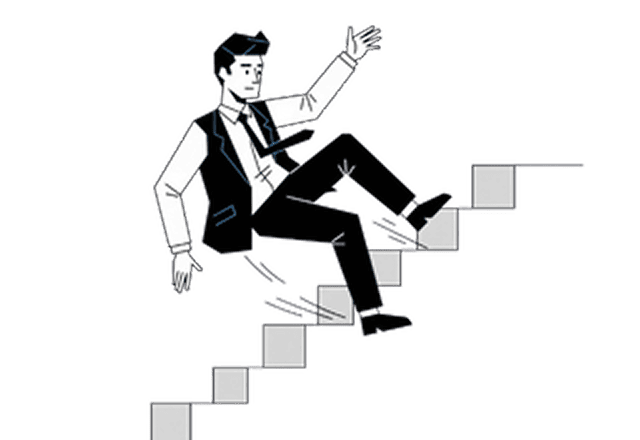

























Slip and fall cases are more complex than they may appear. The property owner will almost always dispute liability, claim the hazard was obvious, or argue that the victim’s own inattention caused the fall. Insurance carriers defend these claims aggressively. Cellino Law investigates every case thoroughly, preserves evidence before it disappears, and builds the strongest possible case for our clients.
Call Cellino Law today for a free slip and fall consultation. There are no fees unless we win.

What Property Owners Are Required to Do
Property owners and occupiers have a legal duty to maintain reasonably safe conditions for people who enter their property. The specific standard varies depending on the status of the person on the property — invited visitors (customers, guests) are owed the highest duty of care. Regardless of the exact legal framework, the fundamental obligation is the same: property owners must identify hazards, fix them in a reasonable time, and warn visitors about dangers they cannot immediately remedy.
Property owners can be held liable when they created a dangerous condition, knew about it and failed to fix it, or should have known about it — because a reasonable inspection would have revealed it. The key to a successful slip and fall case is establishing which of these situations applied and proving it through evidence.
Common Hazardous Conditions That Cause Slip and Fall Accidents
- Wet or slippery floors without adequate warning signage
- Snow and ice on parking lots, walkways, and building entrances not cleared in a reasonable time
- Uneven pavement, cracked sidewalks, and potholes
- Damaged or missing handrails on stairs
- Inadequate lighting in stairwells, parking garages, and walkways
- Loose carpeting, floor mats, or torn flooring
- Spills, leaks, or standing water on floors
- Broken or uneven stairs
- Unmarked changes in floor elevation
Common Injuries in Slip and Fall Accidents
The injuries from a slip and fall depend heavily on how the person fell, what they struck, and their physical condition. Older adults in particular face serious injury risk from falls. Common injuries include:
- Hip fractures — especially devastating for older victims and often require surgical repair and extended rehabilitation
- Wrist and arm fractures — common when people instinctively extend their arms to break a fall
- Knee injuries — ligament tears and meniscus damage are frequent results of awkward landings
- Head injuries including concussions and TBIs — when the victim strikes their head on the floor or another object
- Spinal cord and back injuries
- Shoulder injuries
- Soft tissue injuries including strains and sprains
Injured in a slip and fall? Contact Cellino Law for a free case evaluation.
How State Law Affects Slip and Fall Claims
Premises liability rules vary significantly across our service area. New York applies a pure comparative negligence rule — meaning a plaintiff who is partially at fault can still recover a reduced amount. New Jersey and Connecticut use modified comparative negligence rules that bar recovery if the plaintiff is found more than 50% or 51% at fault, respectively. These rules give property owners a powerful incentive to argue that the victim should have seen the hazard or was somehow responsible for the fall.
Notice requirements also differ when the property is owned or maintained by a government entity. Falls on public sidewalks, in government buildings, or in publicly owned parks may require special notice of claim filings within 90 days in New York and similar compressed timelines in New Jersey. Visit our New York page, our New Jersey page, or our Connecticut page for details on how the law applies in your state.
What Compensation Can Slip and Fall Victims Recover?
- Medical expenses from emergency care through rehabilitation
- Future medical costs for ongoing or permanent injuries
- Lost wages during recovery
- Reduced earning capacity if permanent injury affects work ability
- Pain and suffering and emotional distress
- Wrongful death damages for surviving family members
Frequently Asked Questions About Slip and Fall Claims
What if I slipped on someone else's property but I'm not sure they were at fault?
This is exactly the situation Cellino Law investigates. We review incident reports, maintenance records, surveillance footage, and witness accounts to determine what caused the hazardous condition, how long it had existed, and whether the property owner had actual or constructive knowledge of it. If the evidence supports a negligence claim, we pursue it.
Does it matter that I didn't report the fall to anyone at the time?
It can matter, but a failure to report at the scene does not automatically bar your claim. Contemporaneous evidence, witness testimony, surveillance footage, and medical records can establish what happened. Contact Cellino Law as soon as possible so we can begin preserving the available evidence.
Does Cellino Law charge upfront fees for slip and fall cases?
No. Cellino Law handles all slip and fall cases on a contingency fee basis. There are no upfront costs and no fees unless we win. Your initial consultation is free.
Contact Cellino Law for Slip and Fall Representation Today
If you or a loved one has been injured in a slip and fall accident anywhere in New York, New Jersey, or Connecticut, Cellino Law is ready to help. Call today for a free consultation. Visit our New York page, our New Jersey page, or our Connecticut page for state-specific information and office locations near you.
Call Cellino Law today for slip and fall representation you can trust. No fees unless we win.